
Graceful Living in Every Square Foot

Today we explore small-space styling strategies for subtle elegance, focusing on intelligent choices that create calm, breathable rooms without sacrificing personality. Expect practical layouts, layered lighting, gentle textures, measured color, and storage that disappears into beauty. Whether you are outfitting a studio, a compact cottage, or a city pied-à-terre, these ideas prioritize serenity, function, and a sense of quiet luxury that welcomes you home every single day.

Visual Quiet: Color, Light, and Texture
Palette Restraint That Feels Lush

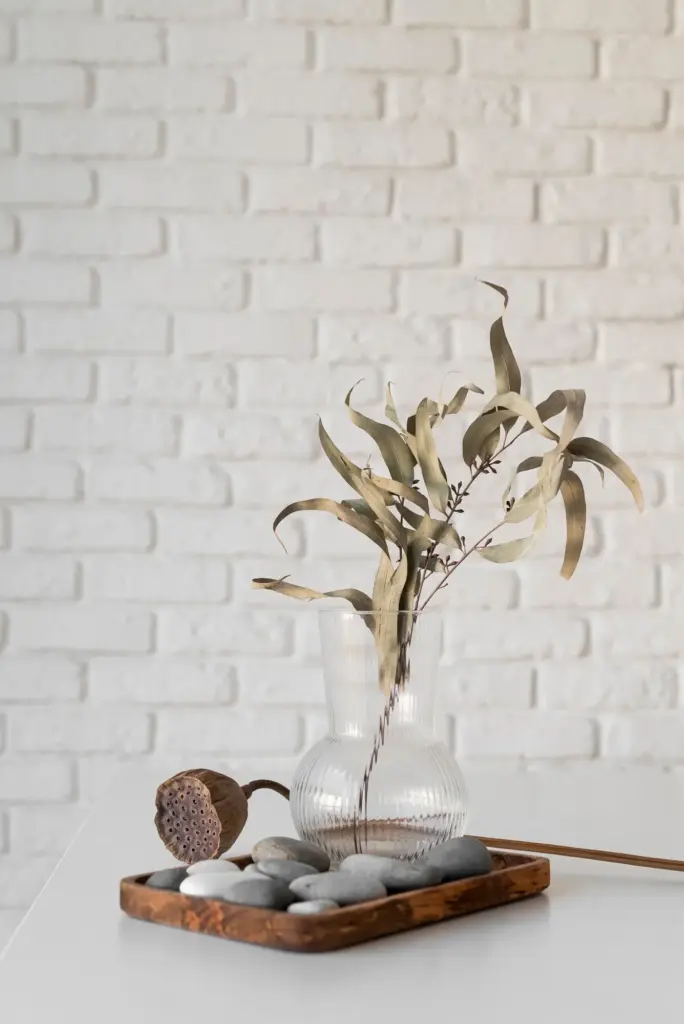
Limit the palette to a few tones and build depth with tints, shades, and subtle undertones. Cream, stone, and mushroom can sing alongside muted blues or olive, while a single accent—perhaps aged brass—adds quiet sparkle. A restrained scheme frees sightlines, simplifies styling, and encourages mindful layering of textiles, art, and plants without tipping the room toward visual noise.

Layered Lighting for a Soft Glow

Limit the palette to a few tones and build depth with tints, shades, and subtle undertones. Cream, stone, and mushroom can sing alongside muted blues or olive, while a single accent—perhaps aged brass—adds quiet sparkle. A restrained scheme frees sightlines, simplifies styling, and encourages mindful layering of textiles, art, and plants without tipping the room toward visual noise.

Texture That Calms, Not Clutters

Limit the palette to a few tones and build depth with tints, shades, and subtle undertones. Cream, stone, and mushroom can sing alongside muted blues or olive, while a single accent—perhaps aged brass—adds quiet sparkle. A restrained scheme frees sightlines, simplifies styling, and encourages mindful layering of textiles, art, and plants without tipping the room toward visual noise.

Scale, Proportion, and the Art of Negative Space

Getting proportions right is the difference between snug and cramped. Choose furnishings that breathe: leggy silhouettes, slimmer arms, and storage that tucks away visual bulk. Resist the temptation to miniaturize everything; a few generously scaled anchors can steady the room. Negative space—those purposeful gaps around objects—becomes your quiet collaborator, creating rhythm, flow, and understated presence.

Edit to Elevate the Silhouette

Select a sofa with exposed legs or a sleek bench seat that keeps sightlines open. Pair with a round coffee table to ease circulation and soften edges. When pieces feel light on their feet, the room reads larger. This careful editing curates a sculptural quality, subtly framing air as part of the composition and granting every item room to breathe.

One Bold Anchor, Many Gentle Companions

A well-proportioned statement piece—perhaps an upholstered headboard or an artful pendant—can ground the space. Support it with quieter forms and slim profiles nearby. This hierarchy prevents visual chaos and clarifies focus, so the small footprint feels intentional rather than compromised. Think of it as a soloist guiding an ensemble, keeping harmony without overwhelming the stage.

Let Empty Space Do the Talking

Strategically leave margins beside furniture and under windowsills. Avoid overfilling corners; instead, allow negative space to create pause and lightness. In tiny rooms, what you edit out is as important as what you keep. These measured gaps calm the eye, amplify daylight, and hint at elegance by trusting restraint instead of crowding every square inch with objects.

Built-Ins with a Tailored Edge

Consider wall-to-wall shelves with closed bases and open uppers for a balanced look. Keep upper shelves curated and airy, while the lower cabinets swallow clutter. Color-match fronts to walls to visually recess the volume. Integrated handles or push latches maintain clean lines, making the unit read as calm architecture rather than intrusive furniture in a compact interior.

Dual-Purpose Pieces, Singular Impact

Choose a console that doubles as a dining perch, a desk with hidden power, or a bed frame with deep drawers. Each multitasking piece should feel elegant first, practical second, never shouting its utility. By collapsing functions into graceful forms, you simplify planning, protect floor space, and reduce visual churn, cultivating a serene environment that supports agile daily routines.

Vertical Reach, Horizontal Relief

Capture height with slim towers, floating shelves, or laddered rails to pull storage upward and free precious floor area. Align shelf edges with door heads to create a rhythm that feels designed rather than improvised. When practical capacity rises vertically, circulation pathways widen, and the room’s quiet sophistication remains intact even on busy days filled with activities and possessions.

Flow, Zoning, and Micro-Layouts

Small rooms succeed through choreography: zones that flex between work, dining, lounging, and rest. Gentle boundaries—rugs, lighting pools, and low bookcases—organize activity without closing space. Thoughtful circulation preserves comfort, ensuring every step feels considered. With the right micro-layouts, a single room can elegantly transform from morning productivity hub to evening sanctuary without visual turbulence or physical strain.

Material Stories and Subtle Ornament

Elegance thrives in details that feel discovered rather than displayed. Consider quiet grain patterns, hand-rubbed finishes, and artisanal ceramics with soft irregularities. A single stripe, a faint herringbone, or a thin metal reveal can add sophistication without volume. These refined gestures build character that whispers in layers, rewarding closer looks and long-term living with gentle, enduring charm.

Craft That Rewards Proximity

Choose joinery you can admire up close—mitered corners, concealed hinges, and hand-finished edges. Let a vintage handle patina beside a new linen shade, telling a restrained story of time. In compact rooms, these tactile cues create depth without bulk. Subtle craft transforms everyday interactions—opening a drawer, touching a table edge—into small rituals of elegance and care.

Pattern, Carefully Poured Not Flooded

Introduce pattern like a fragrance: present yet restrained. A pinstripe pillow against a field of solids, a delicate tile border in the kitchen, or a slim herringbone floor adds movement without overwhelm. Repetition at measured intervals builds cohesion. By skimming rather than saturating, pattern stays sophisticated, keeping the atmosphere smooth, open, and gracefully composed throughout changing daylight.

Art as Whispered Emphasis

Curate a small gallery with generous matting to give each piece room to breathe. Consider a single large work to simplify sightlines, or a vertical trio to draw the eye upward. Frames aligned in color with walls recede gracefully. Art then becomes a quiet focal point, amplifying personality while respecting the room’s need for calm, air, and light.

Atmosphere Beyond the Eye: Rituals, Scent, and Sound

True refinement engages all senses. Gentle morning routines, a signature scent carefully diffused, and softened acoustics cultivate comfort that outlasts visual impressions. Thoughtful trays, quiet fabrics, and curated playlists transform tight quarters into sanctuaries. The aim is not spectacle but longevity of pleasure, where small gestures accumulate into a daily environment that feels centered, intentional, and deeply personal.

Prioritize the Backbone Pieces

Invest in the sofa you sit on, the mattress that supports you, and lighting that shapes mood. Let occasional items wait while you gather the essentials. Quality at the core outlives trends, enabling subtle elegance to endure. Over months, smaller layers click into place effortlessly, guided by a steady vision rather than hurried, scattered purchases that clutter intent.

Sustainable Choices with Character

Favor solid wood, natural fibers, and refillable vessels. Thrift thoughtfully, seeking patina and structure over novelty. Repair loose joints and rewire vintage lamps to extend life. Each decision stitches responsibility into the design, delivering beauty with conscience. In compact rooms, sustainability aligns with restraint, amplifying a narrative of care that feels both modern and timelessly grounded.

Maintenance as an Aesthetic Practice

Create weekly rituals: fluff cushions, polish hardware lightly, recycle papers, and reset a catchall tray. Small habits safeguard clarity and protect finishes. Maintenance becomes part of the look—a living polish rather than a static showroom. This mindset keeps compact rooms pristine yet personal, ensuring elegance remains approachable, resilient, and responsive to the changing needs of everyday life.

Budget, Sustainability, and Slow Upgrades

Elegance does not demand excess. A phased plan, smart sourcing, and mindful stewardship elevate compact homes responsibly. Prioritize foundational pieces, then layer textiles, lighting, and art over time. Choose durable finishes, repair when possible, and upcycle with intention. The resulting interior carries integrity—a gentle kind of luxury rooted in care, craft, and long-term alignment with daily life.

Community Notes: Share, Learn, and Evolve Together

Your Cleverest Corner, Please

Show us the spot that transformed your daily comfort—maybe a shelf that became a desk, or a mirror that doubled daylight. Tell the story behind it, what you tried first, and what finally worked. These shared experiments spark ideas, helping others find subtle, sustaining solutions tailored to the quirks and potential of their own compact homes.

Ask the Tough, Tiny Questions

Wondering how to place a dining table without blocking the balcony door, or how to hide routers and cables elegantly? Post your puzzle. Specific constraints often inspire the smartest breakthroughs. Expect generous, practical feedback grounded in real homes, because the smallest details—hinge directions, rug size, lamp shade shape—can unlock surprising comfort in tight but graceful rooms.

Subscribe for Ongoing Refinements

Join for monthly prompts, curated shopping lists with measured dimensions, and annotated floor plans you can adapt. We will test finishes, compare compact seating depths, and revisit layouts across seasons. This steady cadence keeps progress gentle yet tangible, turning small-space styling into an evolving practice that quietly deepens elegance through attention, patience, and collaborative discovery.
Futiletehahapivo
Privacy Overview

This website uses cookies so that we can provide you with the best user experience possible. Cookie information is stored in your browser and performs functions such as recognising you when you return to our website and helping our team to understand which sections of the website you find most interesting and useful.