
Quiet Luxury, Rooted in Nature
In this edition, we dive into natural materials that signal discreet luxury in interiors, revealing how stone, wood, fiber, and metal communicate refinement without noise. Expect tactile finishes, honest patinas, and thoughtful craftsmanship, illustrated with real-home anecdotes, practical guidance, and inspired ideas you can adapt today for rooms that feel grounded, enduring, and quietly astonishing.
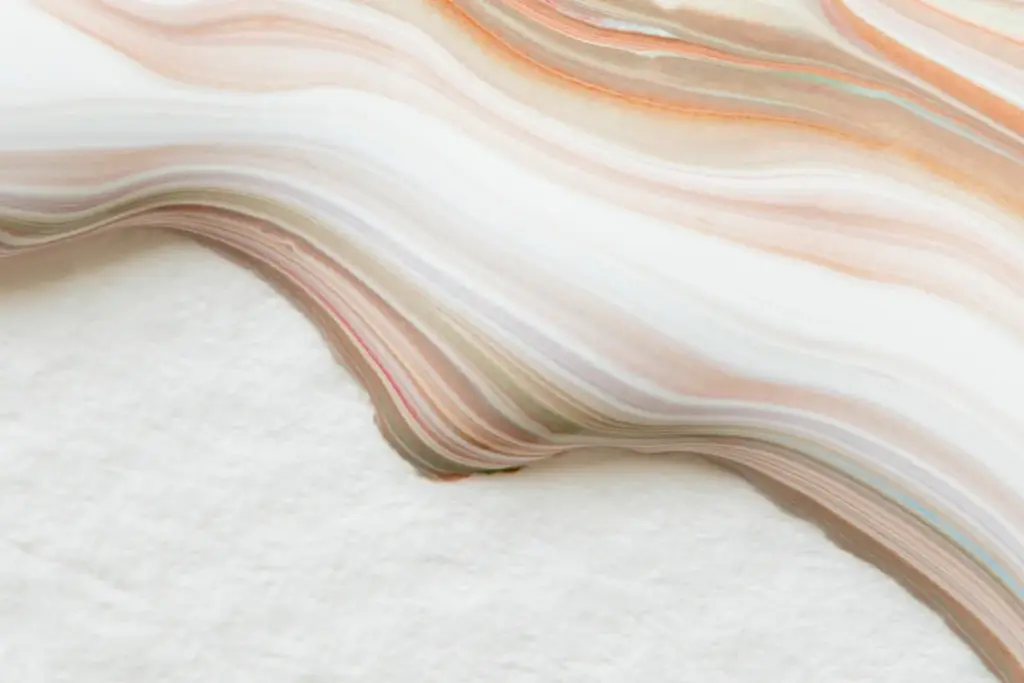
Travertine and Limestone, Softly Honed
Choose slabs with gentle shells and clouding rather than high contrast veining, and ask for a honed finish that diffuses reflections. In one Lisbon kitchen, pale limestone counters stayed serene through years of gatherings, developing tiny marks that guests admired like freckles, proof of meals shared, not mistakes to hide. Maintenance stayed simple, just mild soap, water, and patience.
Soapstone and Calm Marble
Soapstone’s talc-smooth surface warms under palms and shrugs off acidic spills that would trouble polished marble. A chef we know chose deep charcoal slabs with soft white veils; the counters now show lived-in rubs where cutting boards rest, a gentle map of habits. Honed marble can behave similarly when embraced with sealers, trivets, and realistic expectations about graceful aging.
Grain, Patina, and Calm
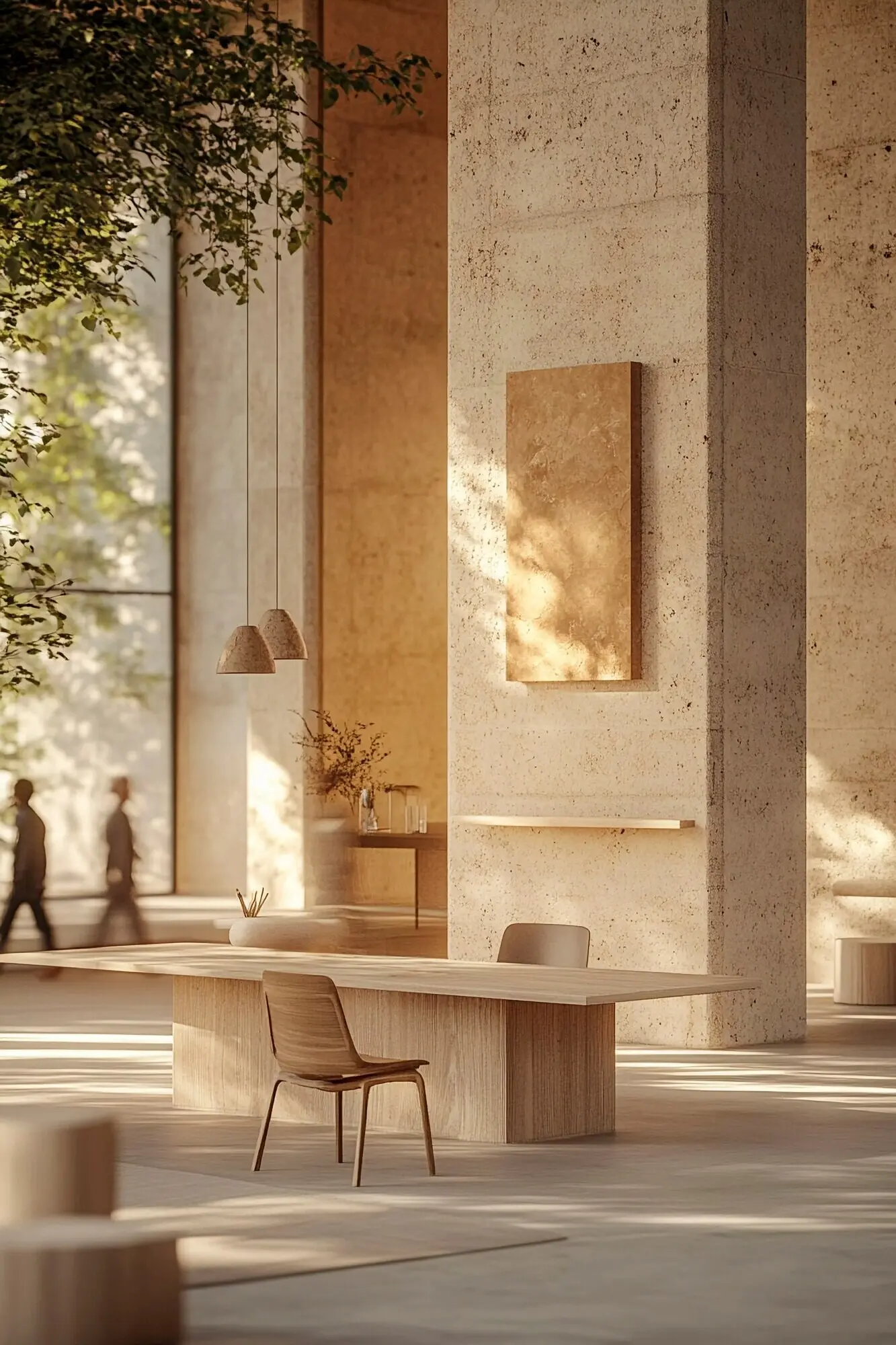
Wood invites quiet contact, particularly when the grain is respected and the finish allows air to pass. Rather than high gloss, oils and hardwax finishes keep surfaces tactile and repairable. We once restored a walnut bench from a flea market; its restrained sheen and humble joinery, warmly burnished by many hands, became the most admired seat in the house.
Rift-Sawn Oak for Quiet Lines
Rift-sawn boards present tight, linear grain that reads as calm panels rather than wild movement, perfect for doors and floors. In a narrow hallway, rift oak planks laid lengthwise stretched the sightline and reduced visual noise. Finished with a penetrating oil, they absorbed scuffs gracefully, responding well to simple spot refreshes instead of full sanding or disruptive refinishing.
Walnut, Teak, and Subtle Joinery
Walnut’s chocolate depth pairs beautifully with teak’s golden clarity when both are treated with restraint. A bedroom headboard we designed uses quiet sapwood flashes like commas, not exclamation marks, giving rhythm without shouting. Traditional mortise-and-tenon joints, barely visible, let the wood’s natural oils and subtle scent lead, encouraging nightly rituals to feel slower, steadier, and richly personal.
Fumed, Oiled, and Waxed Finishes
Coloring wood through fuming or ammonia-reactive processes deepens tone without hiding grain, while hardwax oil builds a satin luster that resists fingerprints. On cabinet doors touched dozens of times daily, this combination felt forgiving and beautifully human. With a light annual refresh, surfaces remained dignified, letting handles, stitches, and small imperfections tell a story of caretaking rather than perfection.
Textiles that Murmur
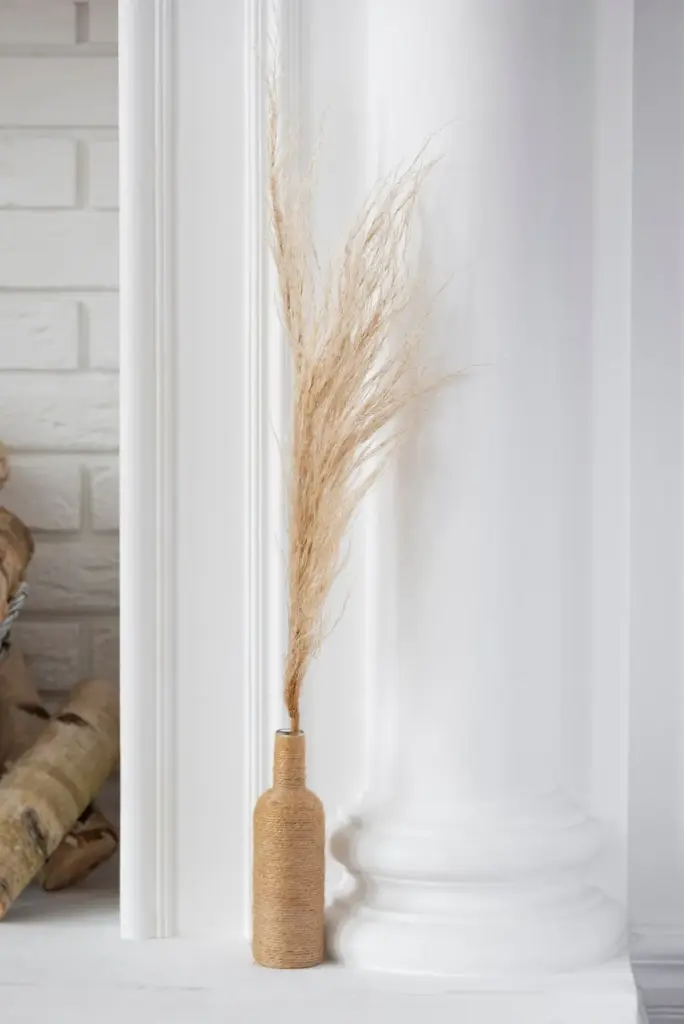
Fabric softens acoustics and mood, but the most elegant choices breathe, move, and age with dignity. Linen and hemp drape with a clean fall, while wool, cashmere, and mohair invite fingertips in winter. Layering textures within one palette—slub, bouclé, felt—builds a sense of depth that supports conversation, afternoon naps, and the quiet confidence of unforced comfort.
Walls that Hold Light
Walls are where light lingers longest, so their material matters. Limewash and clay plaster convert glare into movement, revealing strokes and sands like memories beneath the surface. In the morning, shallow textures glow; at dusk, they absorb shadows, calming the room. These finishes also allow walls to breathe, helping regulate humidity and feel kinder to skin and lungs.
Limewash Movement Across the Day
A mineral wash brushed in crossed passes catches light like silk, never like plastic paint. On a small studio wall, we layered two related tones, letting the undercolor peek at edges; friends swore the room grew larger. Because lime is alkaline and naturally mold resistant, it suits kitchens and baths, especially when matched with stone, wood, and honest ventilation.
Clay Plaster with Fine Aggregate
Clay plaster’s tactile richness comes from fine aggregates and plant fibers that catch fingertips and light. In a nursery, it moderated humidity, easing winter dryness and summer stickiness without machines humming. The walls never felt cold, even during storms, and crayon marks erased with patience and a soft sponge. Families appreciate its scentless presence, like fresh earth after rain.
Tadelakt for Serene Baths
Tadelakt, a polished lime technique from Morocco, yields velvety, water-resistant surfaces that feel like stone shaped by hand. We used it for a shower niche and soaking nook; candlelight multiplied across curves, turning evenings restorative. Soap based on olive oil maintains the seal, and gentle care preserves the quiet luster, inviting unhurried rituals that honor water, warmth, and rest.
Grounded Underfoot
Flooring sets the room’s tempo. Natural fibers and resilient organics cushion sound, feel welcoming under bare feet, and mature attractively. Layering a base rug with smaller pieces defines zones without heavy partitions. Stone thresholds cool summers and anchor entries, while cork and wood offer warmth where families gather. These choices promote comfort, longevity, and a confident, low-gloss elegance.

Metal, Glass, and the Soft Glow
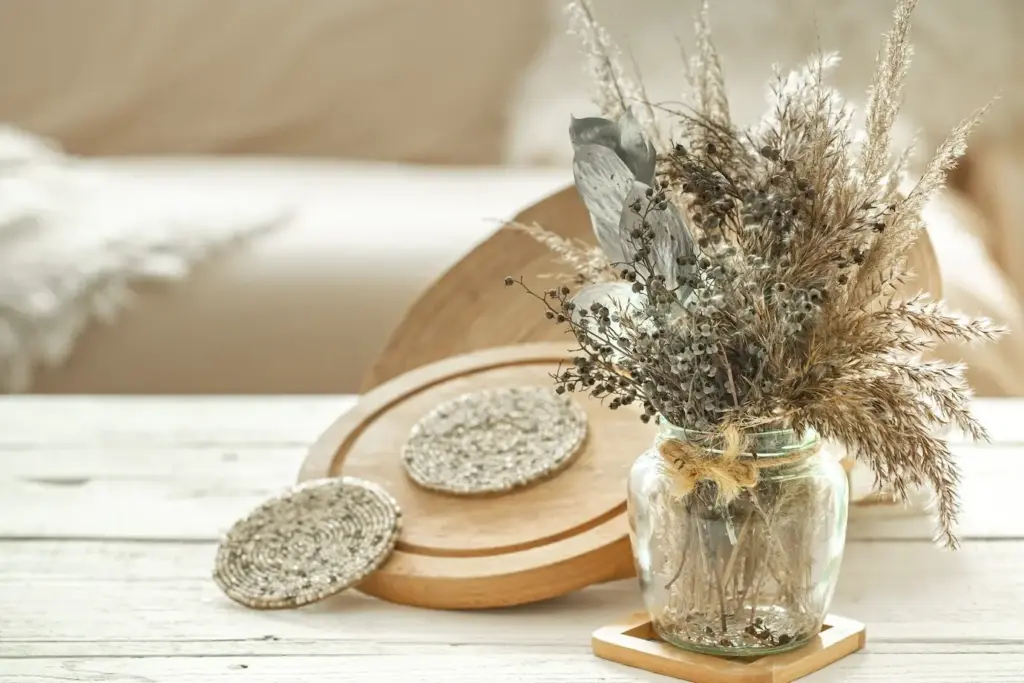
The right metalwork supports restraint rather than spectacle. Unlacquered brass and bronze acquire a mellow skin that tells time without shouting, while blackened steel frames add structure like fine lines in a drawing. Glass shaped by hand steals no scene yet lifts every candle and afternoon ray. Thoughtful hardware becomes jewelry you touch daily, not decoration you perform for guests.
All Rights Reserved.